Common questions
How does a touchless car wash work?
Touchless car washes use high-pressure water jets and specially formulated cleaning solutions to remove dirt, grime, and contaminants from your vehicle's exterior. The water pressure is strong enough to remove debris without the need for brushes that could potentially scratch your vehicle's paint. The cleaning solutions help to break down tough stains and leave your car looking shiny and clean. During a touchless car wash, your car is typically sprayed with pre-soak to loosen dirt, then high-pressure water jets rinse the vehicle. This is followed by the application of cleaning solutions and a final rinse to leave your car spotless. The entire process is automated and does not require any physical contact with your vehicle. While touchless car washes are great for removing dirt and grime, they may not be as effective at removing stubborn contaminants like tar or road salt. For these types of contaminants, you may need to opt for a hand wash or a wash that includes manual cleaning.
Are touchless car washes safe for my vehicle?
Touchless car washes are generally safe for your vehicle's exterior, as they do not use brushes that could potentially scratch the paint. The high-pressure water jets and cleaning solutions are designed to effectively clean your vehicle without causing damage. However, it's important to note that some touchless car washes may use harsh chemicals that could potentially damage certain finishes or coatings. Before taking your vehicle to a touchless car wash, it's a good idea to check with the car wash operator about the cleaning solutions they use and whether they are safe for your vehicle's specific finish. If you have any concerns about the safety of a touchless car wash, you may want to opt for a hand wash or a wash that includes manual cleaning to ensure the protection of your vehicle. Overall, touchless car washes are a convenient and effective way to keep your vehicle clean without the risk of damage from brushes or other physical contact. Just be sure to choose a reputable car wash that uses safe and effective cleaning solutions.
How often should I take my car to a touchless car wash?
The frequency at which you should take your car to a touchless car wash depends on a variety of factors, including your driving habits, the climate you live in, and the amount of debris your vehicle is exposed to. In general, it's a good idea to wash your car regularly to prevent dirt, grime, and contaminants from building up on the exterior. For most drivers, washing your car at least once a month is recommended to maintain its appearance and protect the paint. However, if you live in an area with harsh weather conditions, such as heavy rain or snow, or if you frequently drive on dusty or muddy roads, you may need to wash your car more often. Regular washing not only keeps your car looking clean and shiny but also helps to prevent damage to the paint and finish caused by dirt, bird droppings, and other contaminants. By taking your car to a touchless car wash on a regular basis, you can help maintain its appearance and protect its value over time.
Can a touchless car wash remove all types of dirt and grime?
While touchless car washes are effective at removing most dirt, grime, and contaminants from your vehicle's exterior, there are some types of stubborn stains or contaminants that may require additional cleaning methods. For example, tar, road salt, and tree sap can be difficult to remove with high-pressure water jets and cleaning solutions alone. If your vehicle has these types of stubborn contaminants, you may need to consider a hand wash or a wash that includes manual cleaning to effectively remove them. Professional detailers may also offer services to specifically address these types of stubborn stains and contaminants. That being said, for regular dirt and grime buildup, a touchless car wash is an effective and convenient way to keep your vehicle clean and well-maintained. By washing your car regularly, you can help prevent the buildup of contaminants that can damage your vehicle's exterior over time.
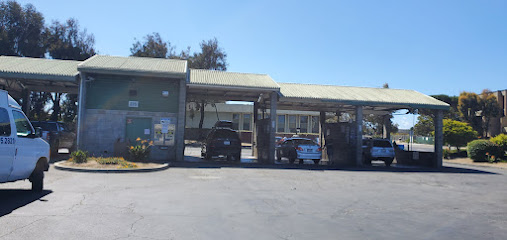 #1