Common questions
What are the benefits of taking salsa dancing classes in San Francisco?
Taking salsa dancing classes in San Francisco offers numerous benefits, including improving physical fitness, enhancing coordination and rhythm, boosting self-confidence, meeting new people, and reducing stress. Moreover, learning how to dance salsa can be a fun and enjoyable way to stay active, try something new, and express yourself creatively through movements and music. Additionally, participating in salsa dancing classes can improve your social skills, as it involves partnering with others and learning how to communicate effectively through non-verbal cues.
What should I expect in a typical salsa dancing class in San Francisco?
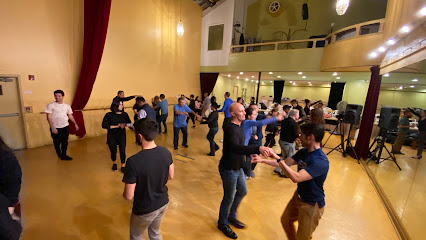
In a typical salsa dancing class in San Francisco, you can expect to learn basic steps, partner work, and dance routines in a supportive and encouraging environment. The instructor will guide you through different salsa dance styles, such as Cuban, Colombian, or New York salsa, and teach you proper technique, timing, and styling to help you become a confident and skilled salsa dancer. Classes may also include warm-up exercises, cool-down stretches, and practice sessions to reinforce your learning and improve your dancing abilities over time.
Do I need a partner to join salsa dancing classes in San Francisco?
No, you do not need a partner to join salsa dancing classes in San Francisco. In group classes, instructors often rotate partners to ensure everyone has the opportunity to practice with different individuals of varying skill levels. If you prefer to dance with a specific partner, you can bring a friend or ask fellow classmates to practice with you during partner work or social dancing portions of the class. Alternatively, many dance studios offer social dance events or salsa nights where dancers can meet new people and practice their skills in a fun and social environment.
What should I wear and bring to salsa dancing classes in San Francisco?
For salsa dancing classes in San Francisco, it is recommended to wear comfortable clothing that allows for ease of movement and does not restrict your mobility while dancing. Women typically wear dance shoes with a heel or supportive sneakers, while men wear dress shoes or dance shoes with a smooth sole for easier pivoting. It is also advisable to bring a water bottle to stay hydrated during class. Additionally, consider bringing a towel or change of clothes if you tend to sweat during physical activity, and be prepared to remove any jewelry or accessories that may hinder your movements while dancing.
 #1