Common questions
What are the beliefs of Jehovah's Witnesses in San Francisco?
Jehovah's Witnesses in San Francisco hold fundamental beliefs similar to members worldwide. They believe in the importance of spreading the message of God's Kingdom, following a moral lifestyle based on Bible standards, and avoiding involvement in political or military affairs. Regular Bible study and meeting attendance are also emphasized. In addition, Jehovah's Witnesses in San Francisco place a strong emphasis on community outreach and support, which includes offering disaster relief and social services to those in need within the local community.
How do Jehovah's Witnesses in San Francisco worship?
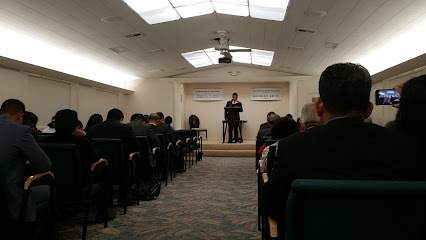
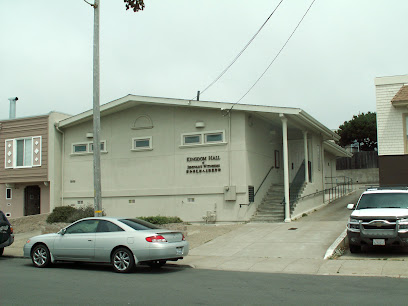
Worship services for Jehovah's Witnesses in San Francisco typically consist of meetings that include prayer, scripture reading, and preaching. Worship services are held at local Kingdom Halls and follow a set program outlined by the Watchtower Bible and Tract Society. Members of the congregation are encouraged to participate in discussions, comment on scriptures, and share personal experiences that relate to spiritual growth and faith. Worship services are typically held multiple times a week, with the largest gathering on Sunday for the Public Talk and Watchtower Study.
Do Jehovah's Witnesses in San Francisco participate in holidays or celebrations?
Jehovah's Witnesses in San Francisco do not celebrate traditional holidays such as Christmas, Easter, or birthdays due to their belief that such celebrations have pagan origins or are not supported by scriptural authority. Instead, they focus on commemorating biblical events such as the Memorial of Christ's Death and prioritize serving God in their daily lives. While some may find this practice unusual, Jehovah's Witnesses in San Francisco view it as a way to maintain purity of worship and align their beliefs with Biblical principles.
How do Jehovah's Witnesses in San Francisco view medical treatments and blood transfusions?
Jehovah's Witnesses in San Francisco believe in seeking medical treatment for illnesses and injuries, but they may refuse certain medical procedures that conflict with their beliefs. One of the most notable examples is their refusal of blood transfusions, as they interpret scripture to prohibit the consumption of blood. Instead of blood transfusions, Jehovah's Witnesses in San Francisco often opt for alternative treatments that do not involve blood products, such as blood conservation techniques or cell-salvaging procedures. They work closely with medical professionals to ensure that their health-care decisions align with their beliefs.
 #1