Common questions
What are the most common reasons for drywall damage?
There are several common reasons for drywall damage, including water leaks, cracks, holes, and mold growth. Water leaks can weaken the integrity of the drywall, leading to sagging or bulging. Cracks can occur from settling or structural issues and should be repaired promptly to prevent further damage. Holes can be caused by furniture bumps, accidental impacts, or installation errors. Mold growth is often a result of prolonged exposure to moisture, which must be addressed promptly to prevent health risks. Other factors that can contribute to drywall damage include improper installation, changes in humidity levels, age, and poor maintenance. By addressing these issues promptly, you can prevent costly repairs and maintain the appearance and structural integrity of your walls.
How can I tell if my drywall needs repair?
There are several signs that indicate your drywall may need repair, including cracks, holes, bulges, water stains, and mold growth. Cracks can be small hairline fractures or larger gaps that are easily visible. Holes can vary in size and shape, from tiny punctures to larger openings. Bulges may indicate underlying issues such as water damage or improper installation. Water stains are a clear sign of water damage, which can weaken the drywall and promote mold growth. Mold growth may appear as discolored patches or fuzzy spots on the surface of the drywall. If you notice any of these signs, it's essential to contact a professional for a thorough inspection and repair.
What is the process for repairing drywall?
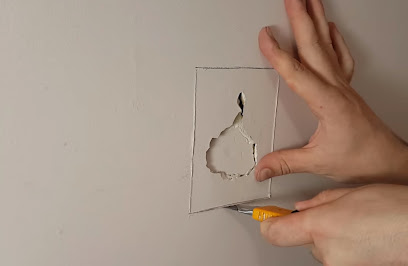
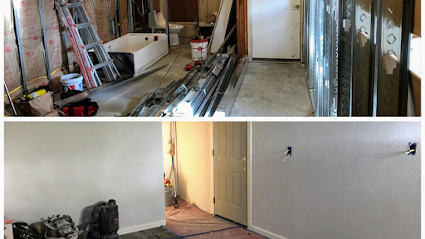
The process for repairing drywall typically involves assessing the damage, removing damaged areas, preparing the surface, applying new drywall or patch materials, and finishing with sanding and painting. The first step is to assess the extent of the damage to determine the necessary repairs. Next, damaged areas are carefully removed to create a clean surface for repair. This may involve cutting out sections of drywall, removing damaged insulation or framing, or addressing underlying issues such as water leaks. Once the surface is prepared, new drywall or patch materials are applied to fill in holes or cracks. After the repair materials have dried, the surface is sanded to smooth out any rough patches or uneven areas. Finally, the repaired area is finished with paint or texturing to match the surrounding walls. By following these steps, a professional can restore your drywall to its original condition.
Can I repair drywall on my own, or should I hire a professional?
While some minor drywall repairs can be tackled by homeowners with basic DIY skills, more extensive damage or structural issues are best left to experienced professionals. Hiring a professional ensures that the repairs are done correctly and efficiently, reducing the risk of future problems. Professionals have the expertise, tools, and materials needed to handle a wide range of drywall repairs, from small holes to major water damage. They can also identify underlying issues that may be contributing to the damage and address them appropriately. By hiring a professional for your drywall repair needs, you can be confident in the quality and durability of the results.
 #1