Common questions
What qualifications do civil engineers in San Francisco need?
In order to work as a civil engineer in San Francisco, individuals typically need a bachelor's degree in civil engineering or a related field. Some positions may require additional certifications or a master's degree. Experience working on various projects and knowledge of local building codes and regulations are also important. Civil engineers in San Francisco should also possess strong analytical, problem-solving, and communication skills. They must be detail-oriented and able to work effectively in a team environment. Familiarity with industry software and technology, such as AutoCAD and GIS, is often necessary for civil engineers in San Francisco. Continuing education and staying up-to-date on the latest trends and advancements in the field are also important for career progression.
What types of projects do civil engineers in San Francisco work on?
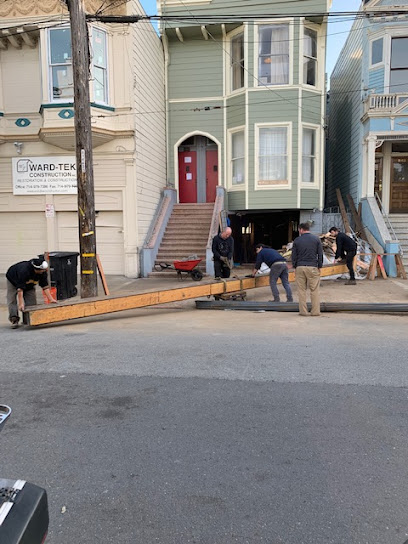
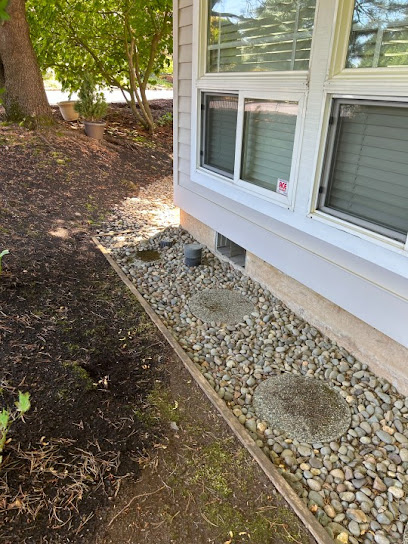
Civil engineers in San Francisco work on a wide range of projects, including infrastructure development, transportation systems, water and wastewater management, and urban planning. They may be involved in designing and overseeing construction projects such as bridges, highways, tunnels, and buildings. Some civil engineers in San Francisco specialize in environmental engineering and focus on projects related to sustainability, water conservation, and green infrastructure. Others may work on coastal engineering projects or seismic retrofitting to ensure structures can withstand earthquakes. From large-scale public works projects to private developments, civil engineers in San Francisco play a crucial role in shaping the city's infrastructure and ensuring the safety and functionality of its built environment.
What career opportunities are available for civil engineers in San Francisco?
The demand for civil engineers in San Francisco is high, given the city's ongoing growth and development. Civil engineers may find job opportunities with government agencies, engineering firms, construction companies, and consulting firms. Some civil engineers in San Francisco choose to specialize in a particular area, such as transportation engineering, geotechnical engineering, or structural engineering. Others may pursue leadership roles, such as project managers or department heads. With experience and additional certifications, civil engineers in San Francisco can advance their careers and take on more challenging and rewarding projects. Continuing education and professional development are key to staying competitive in the field.
How do civil engineers in San Francisco stay informed about local regulations and codes?
Staying informed about local regulations and codes is crucial for civil engineers in San Francisco to ensure compliance and safety in their projects. Civil engineers may attend workshops, seminars, and conferences to stay up-to-date on the latest changes and requirements. Networking with other professionals in the field, such as architects, developers, and city officials, can also help civil engineers in San Francisco stay informed about local regulations and codes. Many civil engineers are members of professional organizations that provide resources and training on industry standards and best practices. Utilizing industry software and technology that updates automatically with the latest regulations can also help civil engineers in San Francisco stay informed and ensure their projects meet all necessary requirements.
 #1