Frequently asked questions
What is the curriculum like at a kindergarten in San Francisco?
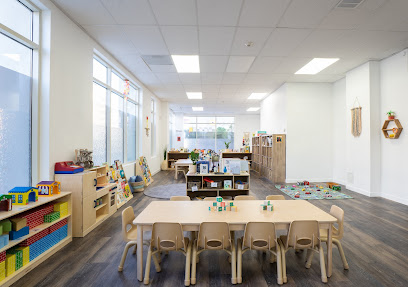
Kindergartens in San Francisco typically follow a comprehensive curriculum that focuses on both academics and social development. Students learn basic concepts in reading, writing, math, science, and social studies. In addition, they engage in activities that promote creativity, critical thinking, and problem-solving skills. The curriculum is often aligned with state standards and is designed to prepare students for success in elementary school. Teachers use a variety of teaching methods to cater to different learning styles and abilities, and assessment tools are used to track each child's progress throughout the year. Overall, the curriculum at a kindergarten in San Francisco aims to provide a well-rounded education that fosters a love of learning and sets a strong foundation for future academic success.
What are the typical class sizes at kindergartens in San Francisco?
The class sizes at kindergartens in San Francisco can vary depending on the school and district. On average, however, most kindergarten classes have around 20-25 students. Some schools may have smaller class sizes, while others may have larger classes. Smaller class sizes can provide more individualized attention and support for each student, while larger classes may offer more opportunities for social interaction and group activities. Schools in San Francisco strive to maintain manageable class sizes to ensure that each child receives the attention they need to succeed academically and socially. Whether in a smaller or larger class, kindergarten teachers in San Francisco work hard to create a supportive and engaging learning environment for all students.
What are some common extracurricular activities offered at kindergartens in San Francisco?
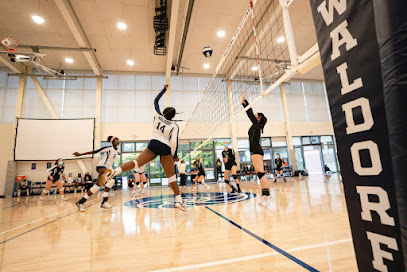
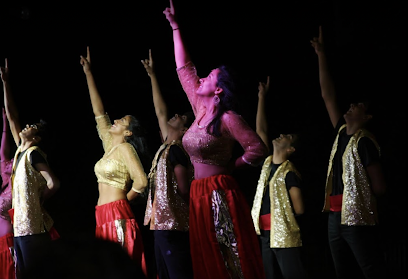
Many kindergartens in San Francisco offer a variety of extracurricular activities to enhance students' learning experiences and provide opportunities for enrichment and fun. Some common extracurricular activities may include: These extracurricular activities can help students develop new skills, interests, and friendships outside of the regular classroom setting. They also provide opportunities for students to explore their passions and talents in a supportive and encouraging environment. Participating in extracurricular activities can enrich students' educational experiences and contribute to their overall growth and development during their time in kindergarten. Art and music classes. Sports and physical education programs. Foreign language classes. STEM (science, technology, engineering, and math) activities. Drama and theater programs.
How can parents get involved in their child's kindergarten education in San Francisco?
Parents play a crucial role in their child's education, especially during the kindergarten years. There are many ways that parents can get involved in their child's kindergarten education in San Francisco: By actively engaging in their child's education, parents can reinforce the importance of learning, build a strong partnership with teachers and schools, and create a positive and enriching educational experience for their child. Parental involvement in kindergarten education in San Francisco is valued and encouraged as a way to support student success and well-being both inside and outside of the classroom. Volunteering in the classroom or at school events. Attending parent-teacher conferences and staying in communication with teachers. Supporting homework and learning activities at home. Participating in school fundraisers and events.
 #1
#1